
Welcome to
Suffolk Extension Master Gardeners
We Exist to Serve You
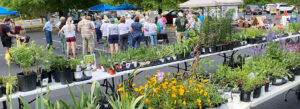
Suffolk Extension Master Gardeners (Suffolk EMGs) volunteer their time and expertise to provide FREE horticultural education for residents of the City of Suffolk, Virginia. They provide programs for both youth and adults on a variety of topics like tree care, native plants, flower and vegetable gardening, pest and disease identification, integrated pest management, and more. Visit the programs, events, and demonstration garden pages to learn more!
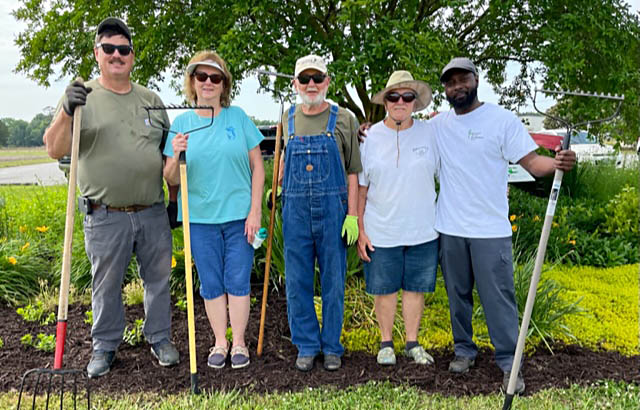
Ask a Master Gardener
Getting help is easy! Suffolk EMGs can be found at our office, on Facebook, by phone, email, and at various Suffolk farmers markets. Take advantage of our Ask a Master Gardener program, where you can contact us from the comfort of your own home! To submit a question, email us at SuffolkMG@gmail.com or call us at 757-514-4335. When emailing, attach pictures of the plant, pest, or problem and provide a detailed description. This will allow us to serve you. A Suffolk EMG volunteer will respond in a timely manner. Beginning in 2024, volunteers will be providing monthly office hours. Stop by our Virginia Cooperative Extension (VCE) classroom and obtain research-based assistance with your gardening questions and concerns.
Spotted Lanterfly Information
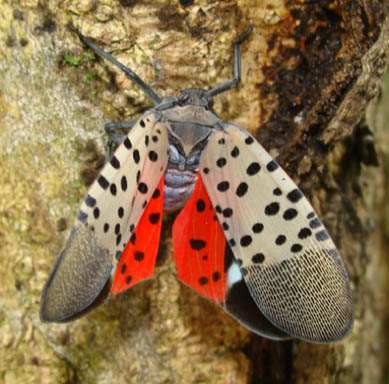
Pest Alert: Spotted Lanternfly Identification
and Reporting in Virginia



🍎🌿 Have you ever stopped to think about what makes an apple an apple?
Apples have a fascinating botanical story, from their evolution and relationship with wildlife to the surprising structure of the fruit we eat. 🍏
This month’s Gather & Sow takes a deeper look at apples, their history, evolution, and even what you can discover by cutting one open!
🍎 Read the full article and explore the fascinating world of apples:
...
0 CommentsComment on Facebook
Thank you so much to those of you who supported our seed library at North Suffolk Public Library this week! We received donations of 5,000 envelopes and 3,000 labels purchased through our Amazon Wish list at amzn.to/4c6zXkr and a $20 donation through www.suffolkmastergardener.org/donate/ that will go toward seed for 2027! We so appreciate our community's support in this program that has reached over 2,700 families!
There's still time to help give out the next 10,000 packets of seeds! A donation of a few dollars can buy a pack of seed that helps dozens of families grow a fresh vegetable for the table, an herb to season their meals, a native plant to support local wildlife, or flowers to cut for their table. Happy gardening! ...
0 CommentsComment on Facebook
Do you have a fall garden? If you do what types of things are you growing in it? 🍂
If you don't, is it something you have considered? Here is a great resource to get started with a fall vegetable garden:
www.pubs.ext.vt.edu/content/dam/pubs_ext_vt_edu/426/426-334/426-334_pdf.pdf ...
1 CommentsComment on Facebook